

Setting Posts the Right Way
The foundation of any fence. Learn proper post spacing, depth, and how to get th...
Jūrmala's salt air and moisture are tough on wood. Find out which sealers work best and how often to reapply.
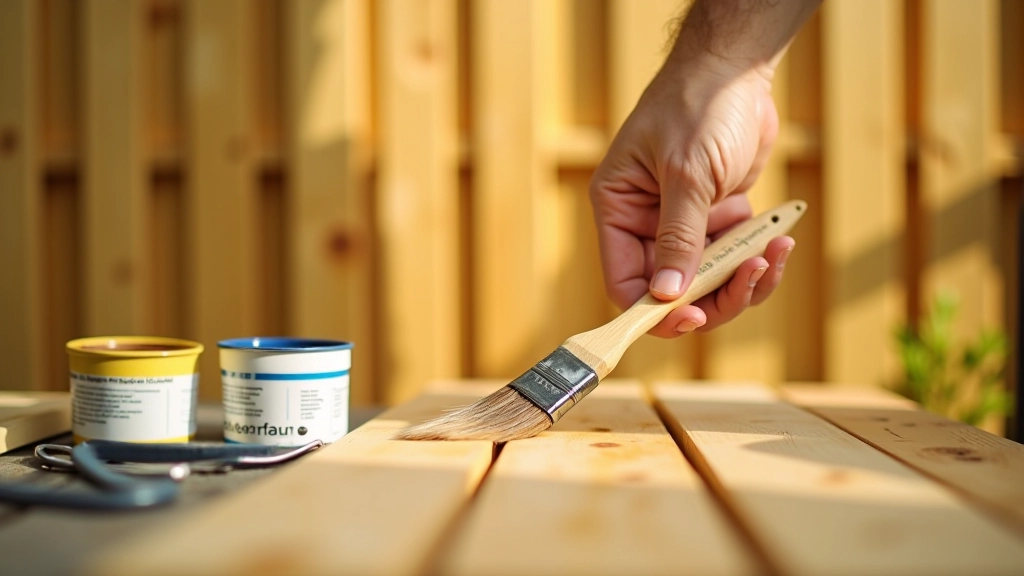
Wood fences face constant battles. Rain soaks into the grain, UV rays fade the color, and salt spray — if you're near the coast — accelerates rot. You don't need to replace your fence every few years. Proper sealing makes all the difference.
Here's what you need to know: different sealers do different things. Some repel water. Others protect against UV damage. The best approach combines both. We'll walk you through the options and show you exactly when to reapply.
Not all sealers are created equal. The main types break down into three categories, and each one handles weather differently.
These are the safest to apply — low odor, quick drying (4-6 hours), and easy cleanup. They penetrate the wood and form a protective layer without sitting on top. You'll need to reapply every 2-3 years. They're great for Jūrmala's climate because they breathe with the wood as humidity changes.
These create a thicker, more durable barrier. They last 3-5 years between applications and give wood a richer color. The downside? They take 24-48 hours to cure, and you'll want good ventilation while applying. They're tougher against salt spray than water-based options.
These combine color and protection in one product. You're not just sealing — you're also refreshing the fence's appearance. They typically last 2-4 years and work well if your fence is starting to look weathered. Perfect if you want maintenance and aesthetics handled at the same time.
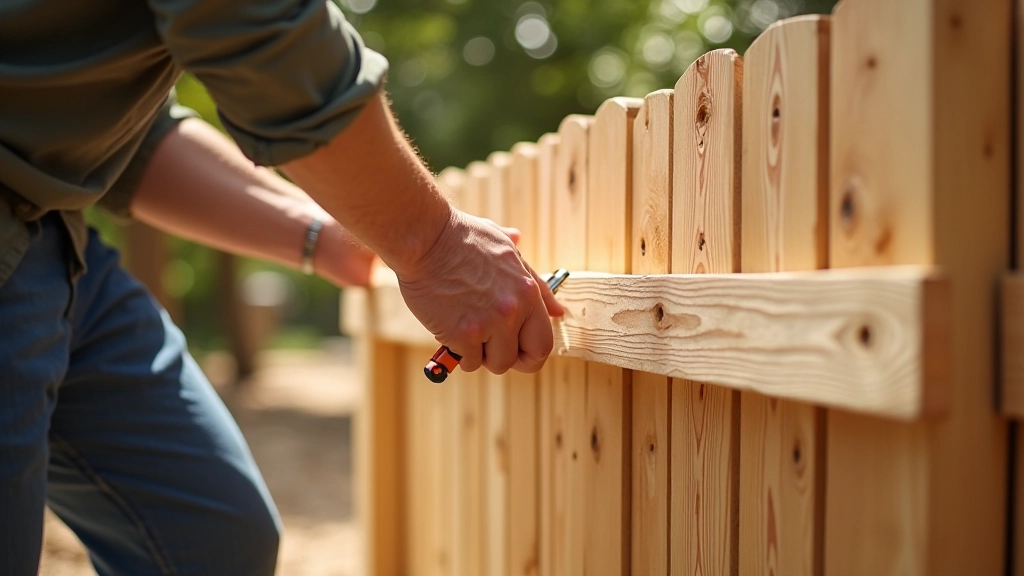
Application matters as much as the product you choose. We've seen good sealers fail because they weren't applied properly. Here's the real process.
Remove dirt, mold, and old sealer. A pressure washer works, but keep it under 1500 PSI — higher pressure damages the wood. Let it dry completely (at least 48 hours in humid weather).
Use a 3-4 inch brush for detailed areas and a roller for flat panels. Brushes give you better control on edges and grain. Don't use cheap brushes — they shed bristles into the sealer.
Don't glob it on. Thin, even coats are better than thick ones. You're looking at 2-3 coats depending on the product. Wait between coats as the manufacturer specifies — usually 4-12 hours.
Keep rain off while it cures. If it rains within the curing window, you'll see white spots or an uneven finish. Check the forecast before starting. Water-based products cure faster (4-6 hours), oil-based need longer (24-48 hours).
When you seal matters. The ideal window is late spring through early autumn — dry weather, moderate temperatures. You don't want rain during curing, and you want enough warm days for proper drying.
Perfect timing. You're ahead of summer humidity and salt spray. The fence has the whole season to build up protection before winter. If your fence gets harsh winter weather, spring sealing gives it the best defense.
Works well, but watch humidity levels. High humidity (above 85%) slows drying and can trap moisture in the sealer. If you're sealing in summer, do it on drier days.
Late autumn through winter — temperatures drop, humidity rises, and you won't have enough warm, dry days for proper curing. You'll end up with sticky, uncured sealer and frustrated neighbors.
Sealing is just part of the picture. What you do between applications matters too.
Once a year (typically in spring), walk your fence. Look for soft spots, cracks, or areas where sealer's flaking off. Catch problems early — a small soft spot costs 10 dollars to repair, but leave it and you're replacing that section.
Rinse the fence twice a year, especially in coastal areas where salt accumulates. A gentle spray from a garden hose removes salt and debris. Don't pressure wash sealed fences — it damages the sealer. Save the high-pressure washer for when you're prepping for resealing.
Shaded areas trap moisture. If you notice dark spots or green growth, it's mold. You don't need to reseal yet — just clean it with a soft brush and mild bleach solution (1 part bleach to 10 parts water). Let it dry fully before sealing.
Ivy and climbing plants look nice, but they trap moisture against the wood. Keep vegetation at least 12 inches away from your fence. This improves air circulation and extends sealer life by years.
Your fence isn't just a boundary — it's an investment in your property. Jūrmala's coastal climate is harsh on wood, but you don't have to accept that. With the right sealer, proper application timing, and basic maintenance, your fence will stay strong for decades.
Start with a quality sealer that matches your climate. Apply it in spring or early summer. Then stick to a maintenance schedule. It's not complicated. It's just consistent. That's how fences outlast the people who built them.
Ready to learn more about fence installation and maintenance?
Explore More GuidesThis guide is provided for educational and informational purposes. While we've focused on practical approaches and common techniques, individual circumstances vary. Weather patterns, wood types, and sealer products differ by region and brand. Always follow the manufacturer's instructions for any sealer you choose. If your fence shows signs of serious rot or structural damage, consult a professional contractor for assessment and repair recommendations.

Author
Editorial Team
Written by the ilvawick Editorial Team, focused on practical, honest fence and gate installation guidance.
Learn more about fence installation and maintenance
The foundation of any fence. Learn proper post spacing, depth, and how to get th...
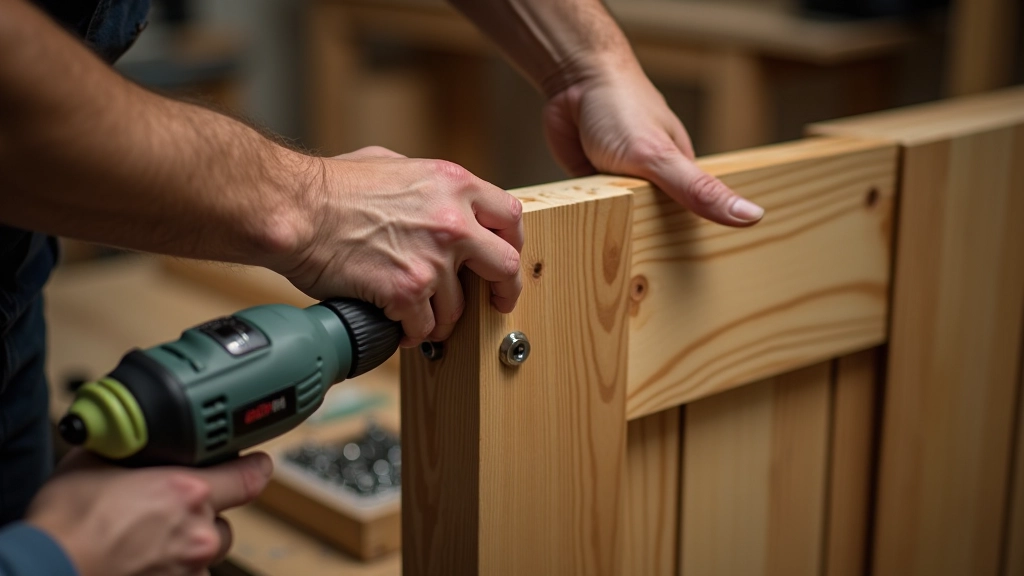
The most common mistake is using wrong fasteners. Here's what actually works and...
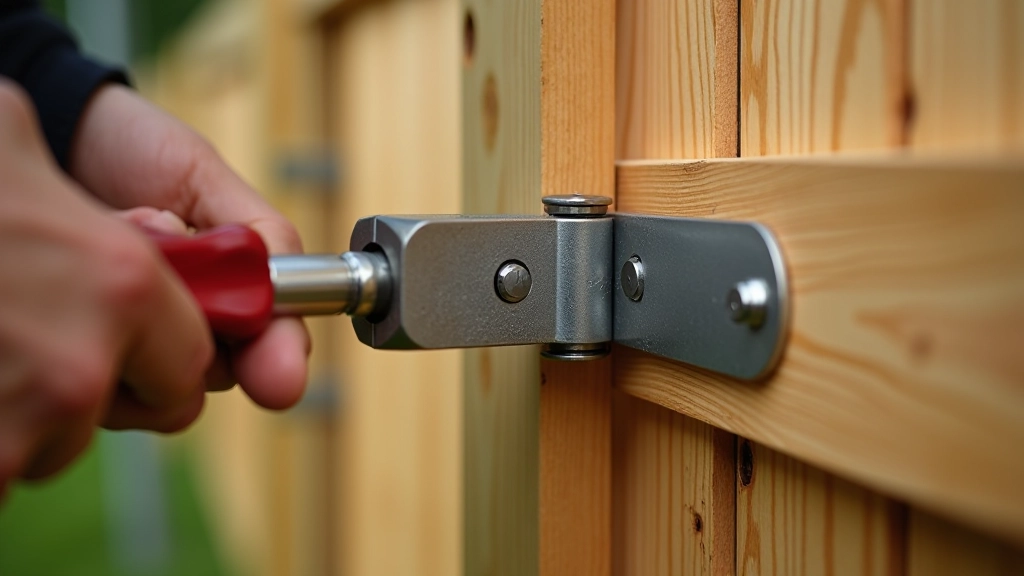
Sagging gates are preventable. Learn about hinge placement, weight distribution,...